

Plans
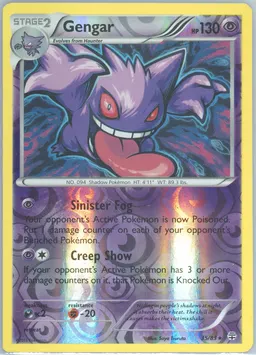
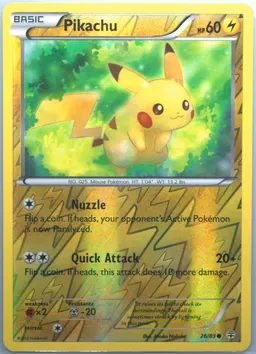
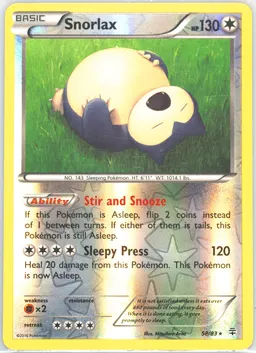
Gengar #35 from GenerationsPikachu #26 from GenerationsSnorlax #58 from Generations
Generations set logo

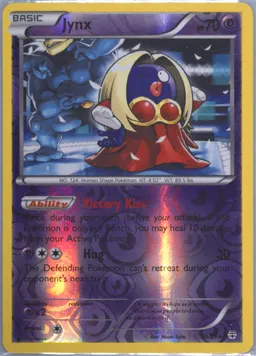
Generations Reverse Holo

Updated yesterday
Updated yesterdayGENENReleased 2016

Generations Reverse Holo (GEN) carries a total slabbed market cap of $723.1K as of Nov 13, 2026. TCGBerg tracks a fair value for 243 card and grade combinations in the set.

Set value: $227 for one Near Mint copy of each card (cheapest printing), 60 of 60 cards priced as of Nov 13, 2026. Top card: Gengar #35 $58.

GEN · EN · Released 2016
Total market cap
$723.1K
243 atoms tracked
Total population
1,730
PSA-graded copies
Top atom
$184.3K
Gengar #35 · 25.5% of set
Top mover (30d)
+62.6%
Gengar #35 · PSA 8

Top movers · 30d

Biggest 30-day fair-value moves in this print run, largest positions first.

PSA8Gengar #35 · Generations$62.0K mcap↑62.6%PSA7Gengar #35 · Generations$12.5K mcap↑44.5%

Market cap composition

How the implied slabbed cap splits across cards. Gengar #35 anchors 51.9% of total.

  • Gengar #3551.9%
  • Pikachu #2619.5%
  • Snorlax #588.9%
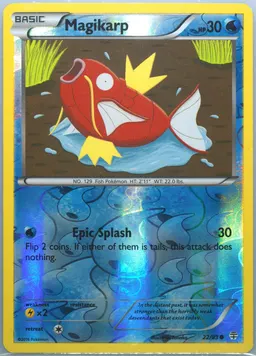
  • Magikarp #225.5%
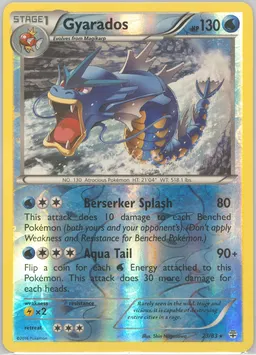
  • Gyarados #232.4%
  • Other 218 atoms11.8%

Generations Reverse Holo chase cards

The most valuable cards in Generations Reverse Holo, ranked by PSA 10 value. Values are model estimates from recorded sales.

  1. 1Gengar #35$15,362NM $58
  2. 2Magikarp #22$8,884NM $7
  3. 3Pikachu #26$6,207NM $21
  4. 4Snorlax #58$5,927NM $15
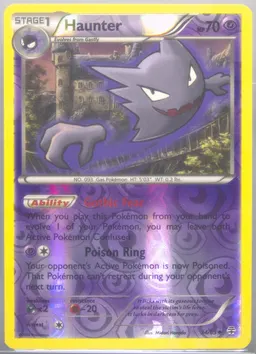
  5. 5Haunter #34$1,616NM $6
  6. 6Gyarados #23$1,515NM $12
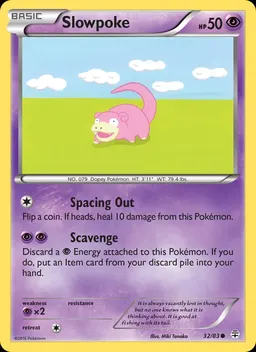
  7. 7Slowpoke #32$1,497NM $3
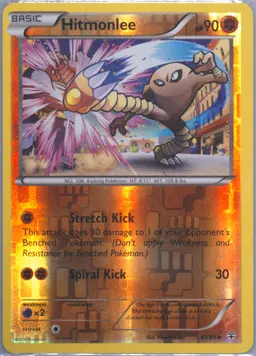
  8. 8Hitmonlee #47$1,058NM $3
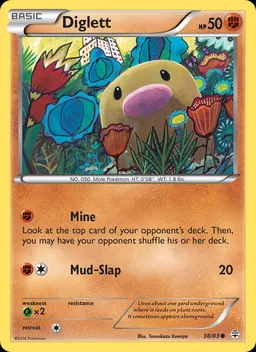
  9. 9Diglett #38$1,034NM $8
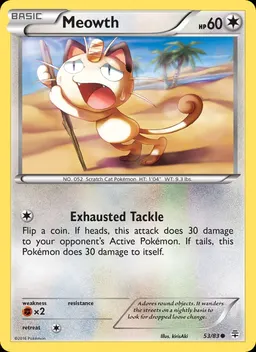
  10. 10Meowth #53$983NM $2

Card list and prices

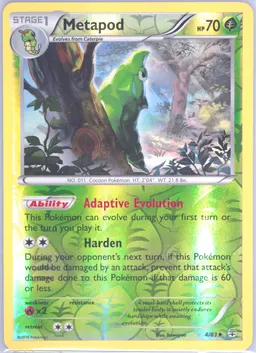
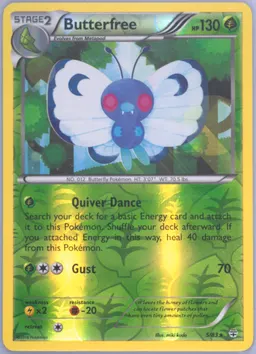
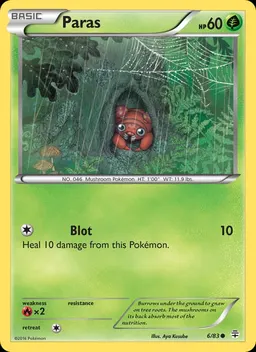
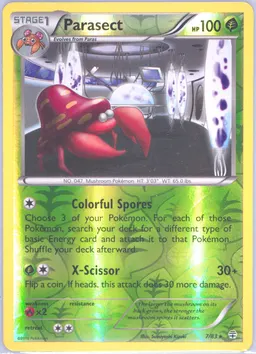
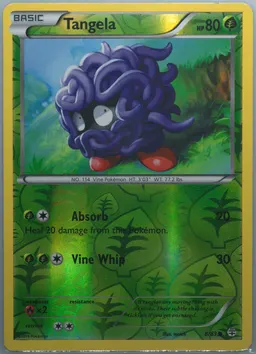
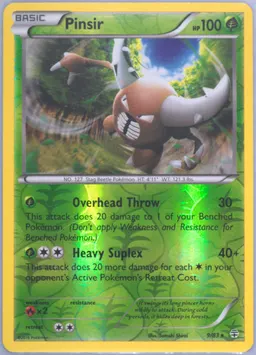
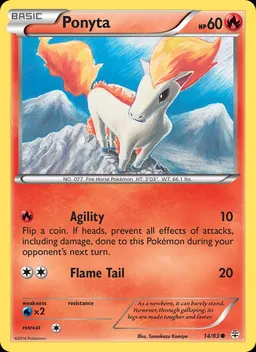
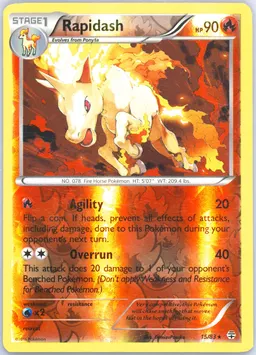
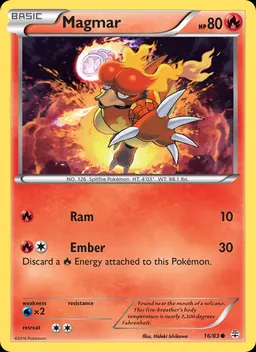
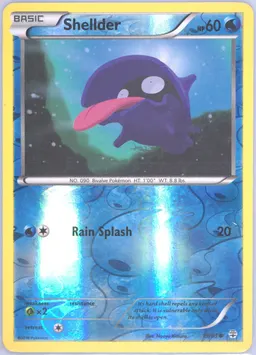
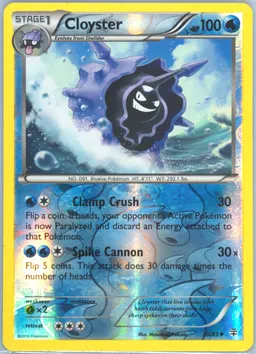
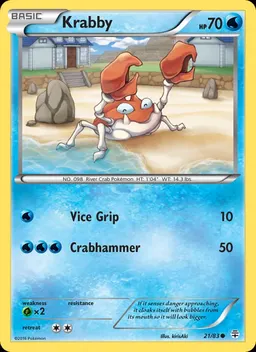
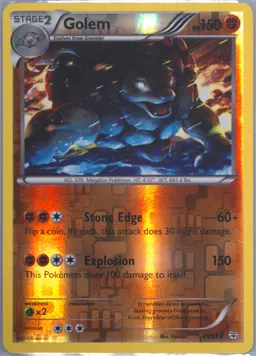
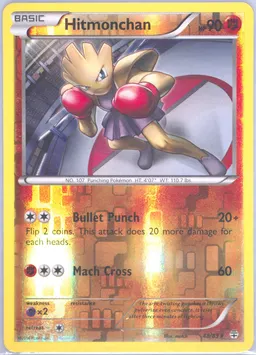
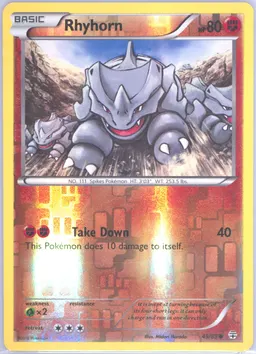
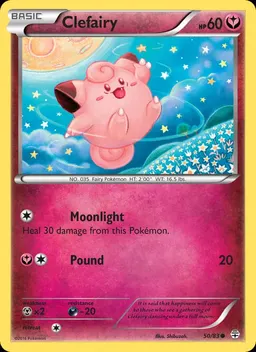
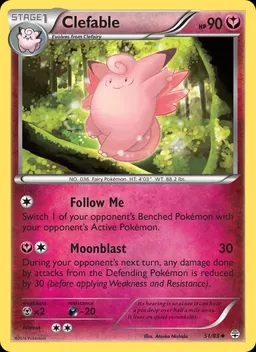
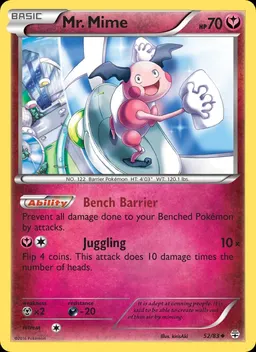
Browse the Generations Reverse Holo card list by name, number and printing. Looking for the most valuable chase cards? Choose a condition or grade and . Open a card for its price history and recorded sales.

18 of 60 printings

TCGBerg fair values · USD · PSA 9

Market cap is implied: PSA population x TCGBerg fair value per grade, summed across every card in this print run.

Variants

Generations was printed in 4 distinct variants. Each carries its own population, price discovery, and value premium. Open one to drill in.

Finishes

Normal

Total cap
$3.71M
Cards
95
View →

Reverse Holo

Total cap
$723.1K
Cards
60
Currently viewing

Holo

Total cap
Not yet valued
Cards
1
View →

Rarities

Indices for Generations

25 live, cap-weighted indices tracking this set across composite and per-grade tiers. Click an index to drill into its constituents and rebalance log.

Analysis

Generations Reverse Holo (GEN) carries a total slabbed market cap of $723.1K as of Nov 13, 2026. TCGBerg tracks a fair value for 243 card and grade combinations in the set. Gengar #35 · PSA 10 anchors the set at 25.5% of its total cap.

Historical context

Released in 2016 as a EN release.

Market overview

Cap is concentrated: the largest card-grade position is 25.5% and the top 5 make up 74.3% of set cap. The set's cap-weighted fair-value confidence is very low (17/100). It has seen 29 graded sales over the trailing 30 days.

Frequently asked

How much is a complete Generations Reverse Holo set worth?
One Near Mint copy of each Generations Reverse Holo card costs about $227 (the cheapest printing of each, 60 of 60 cards priced as of Nov 13, 2026). The most valuable is Gengar #35 at $58.22.
What are the chase cards in Generations Reverse Holo?
Ranked by PSA 10 fair value, the most valuable Generations Reverse Holo cards on TCGBerg are Gengar #35 ($15,361.71), Magikarp #22 ($8,884.35), Pikachu #26 ($6,206.64), Snorlax #58 ($5,927.19) and Haunter #34 ($1,615.82). Values are model estimates from recorded sales and change as the market moves; open a card for its sales evidence and graded values.
What is included in the Generations Reverse Holo card list?
This list covers 60 catalog printings. Editions and finishes can have separate entries for the same card number. Prices appear where valuation or sales evidence is available; an unpriced entry does not mean the card is worth zero.
How do I compare Generations Reverse Holo card prices?
Match the card number, printing and condition before comparing values. Use raw condition prices for ungraded copies, and the same grading company and grade for slabs. Open a card to check the available price history, recorded sales and sales evidence.