
Glossary
Every term TCGBerg uses, defined once. The same wording applies everywhere on the site; the math behind the metrics lives in the methodology.
TCGBerg fair value
A modelled estimate of what a specific card, in a specific printing and grade, is worth today, derived from recorded graded sales. It is not a single listing price: outliers are filtered, recent sales weigh more, and every fair value carries a confidence score. Computed daily per atom.
Confidence score
A 0-100 score attached to every fair value describing how much evidence backs it: more recent sales, tighter price agreement, and fresher data raise it. Thresholds: 80+ very high, 60+ high, 40+ moderate, below 40 low. A low score means "thin evidence", not "wrong".
Atom
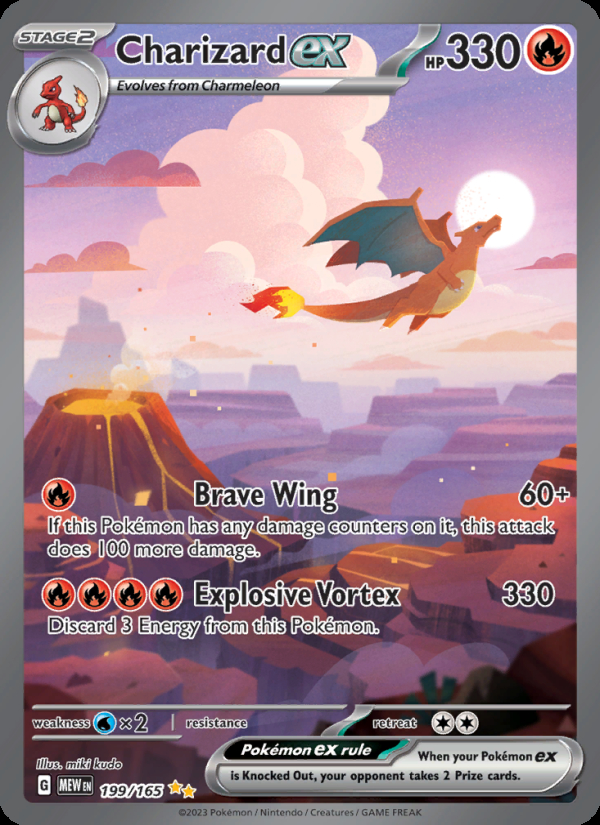
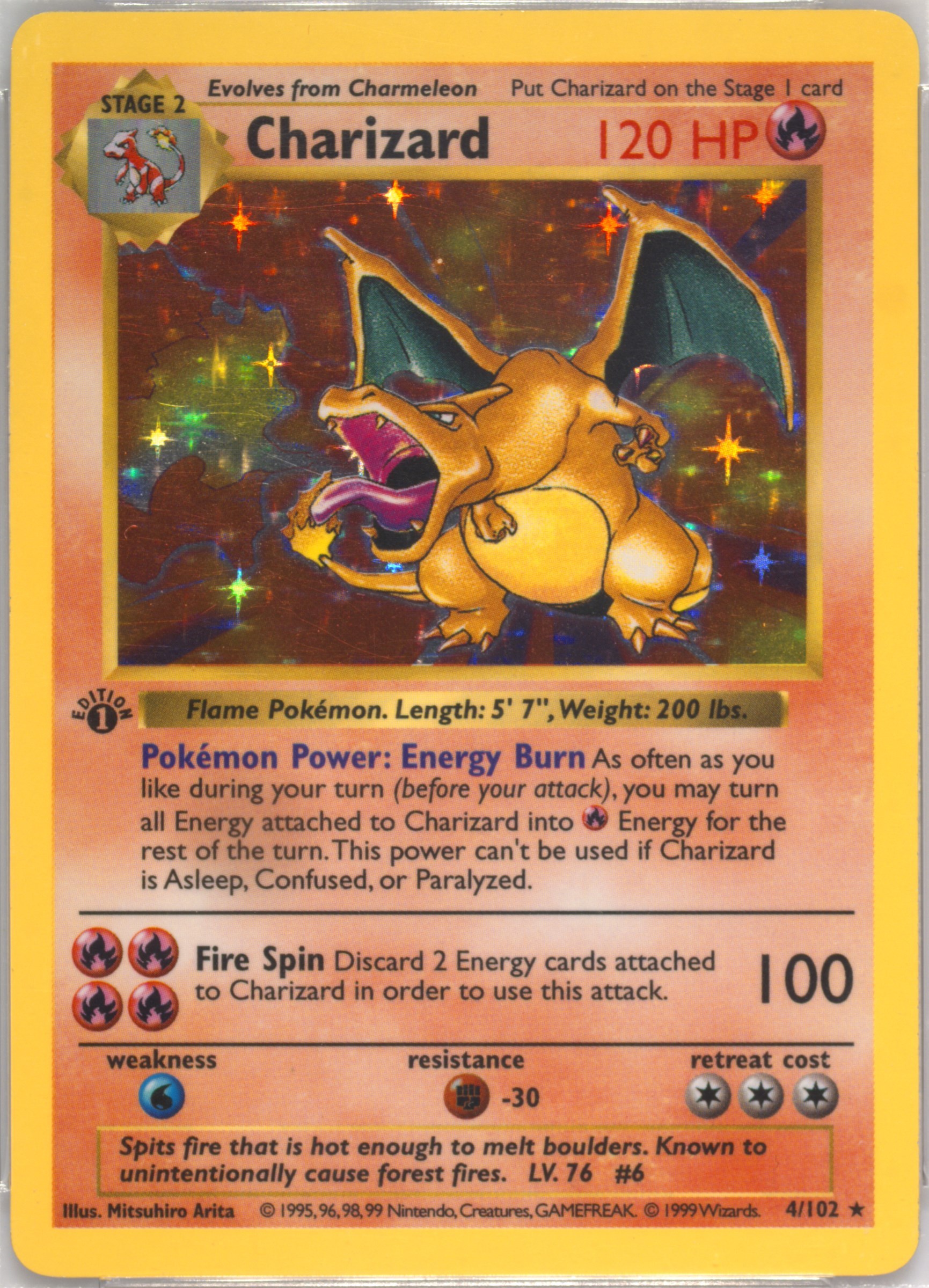
One (printing, grader, grade) combination, the smallest unit TCGBerg tracks. "Charizard Base Set 1st Edition Shadowless at PSA 10" is one atom; the same printing at PSA 9 is a different atom. Fair values, populations, and market caps are all computed per atom.
Card
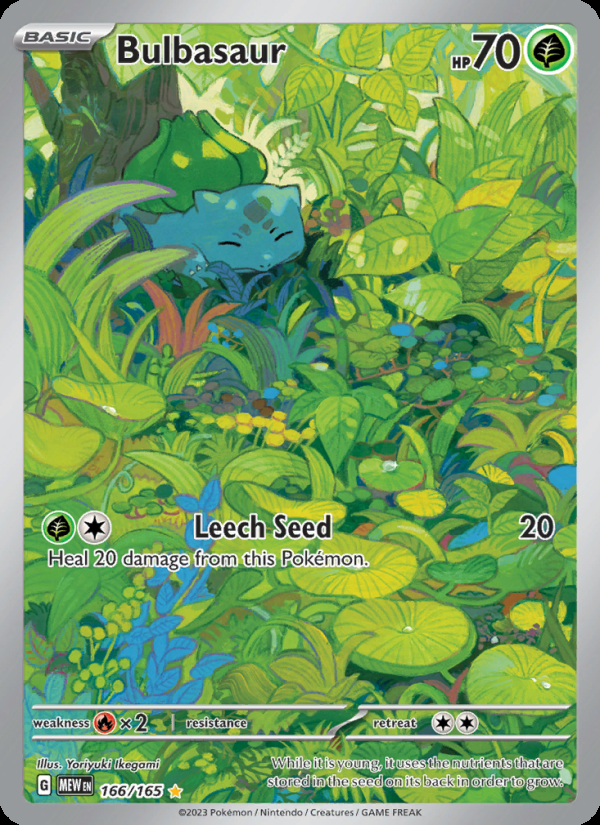
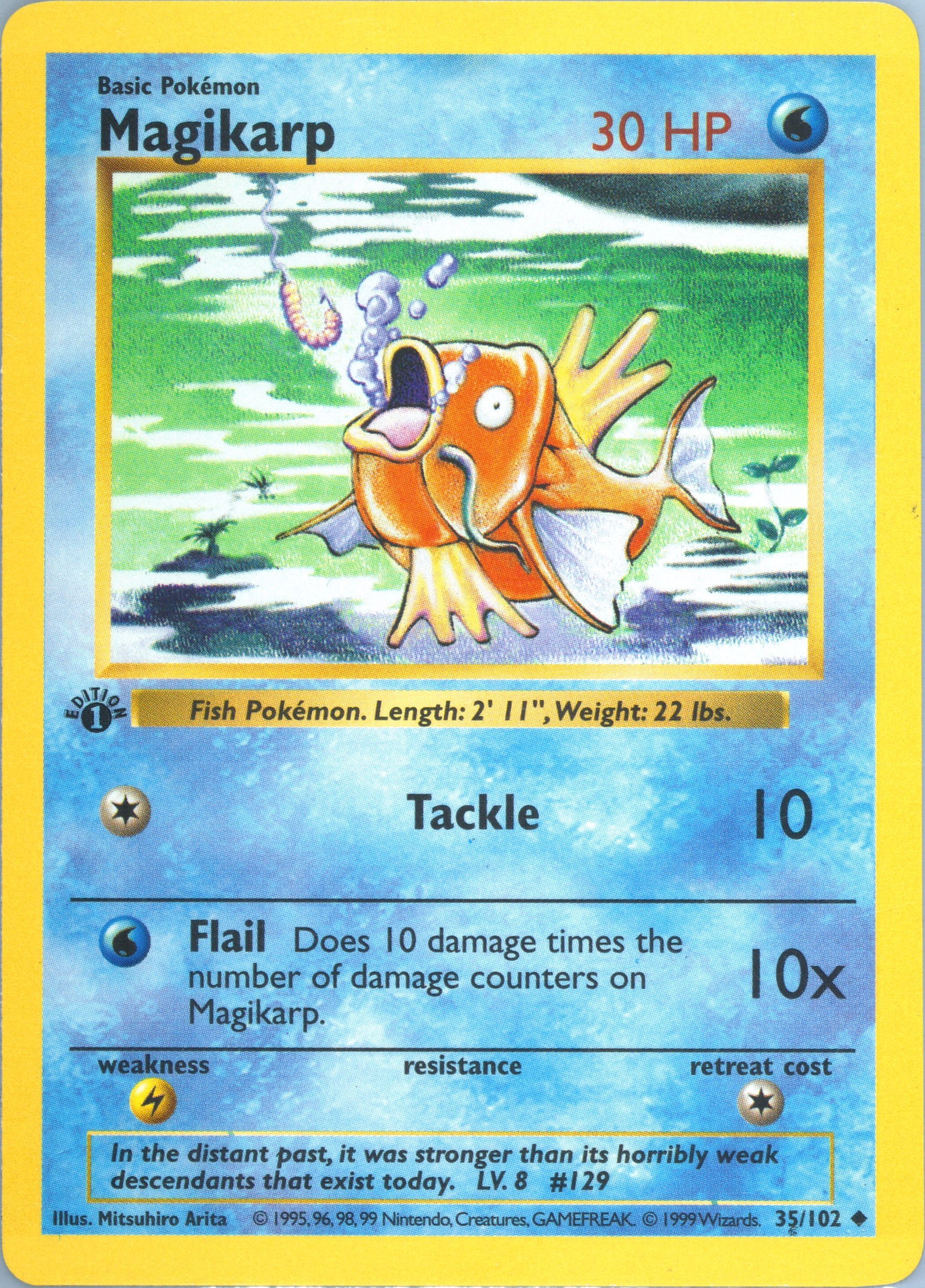
The canonical identity of a collectible, e.g. "Charizard #4/102". A card can exist in several physical printings, each tracked separately.
Printing
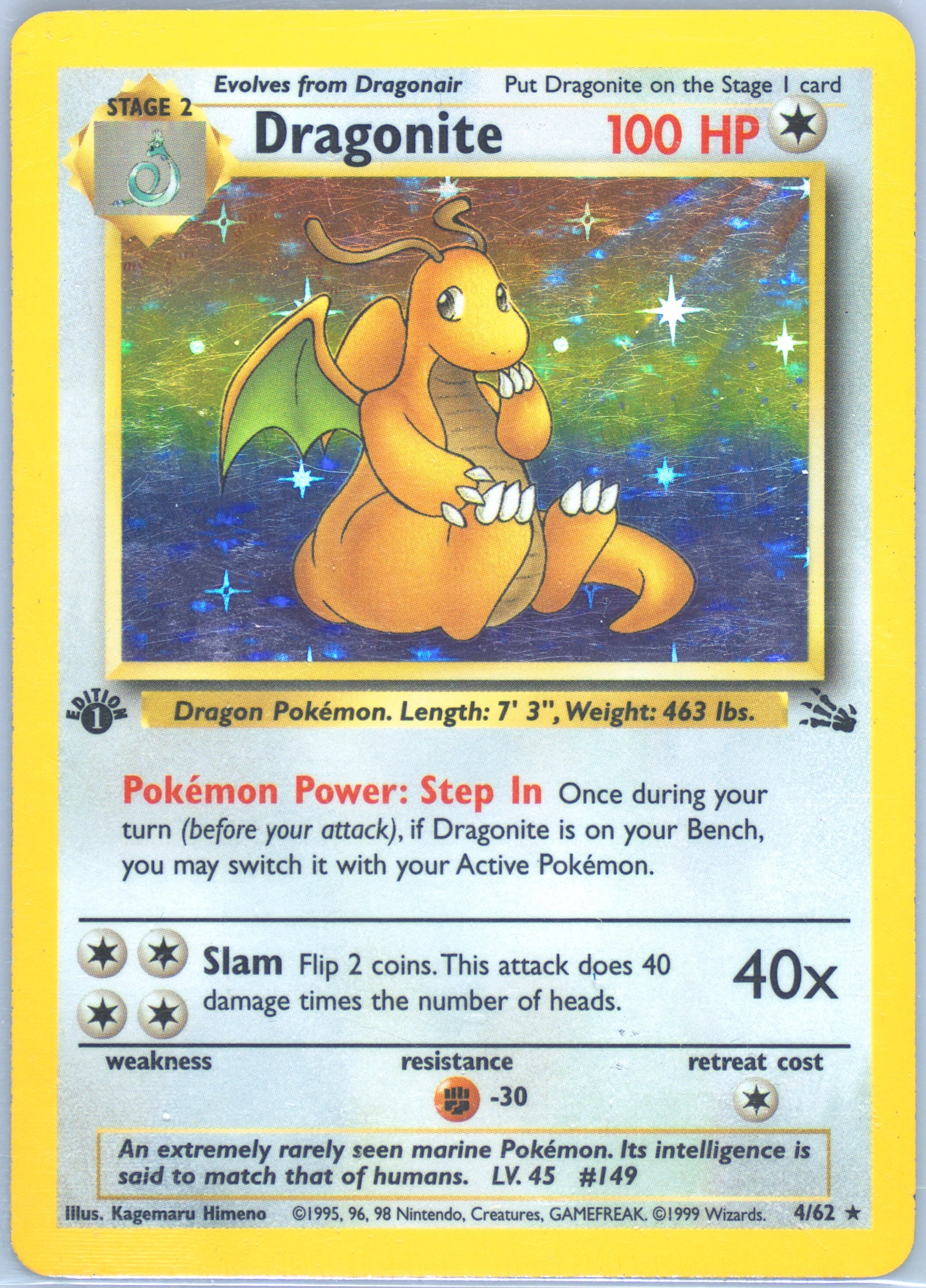
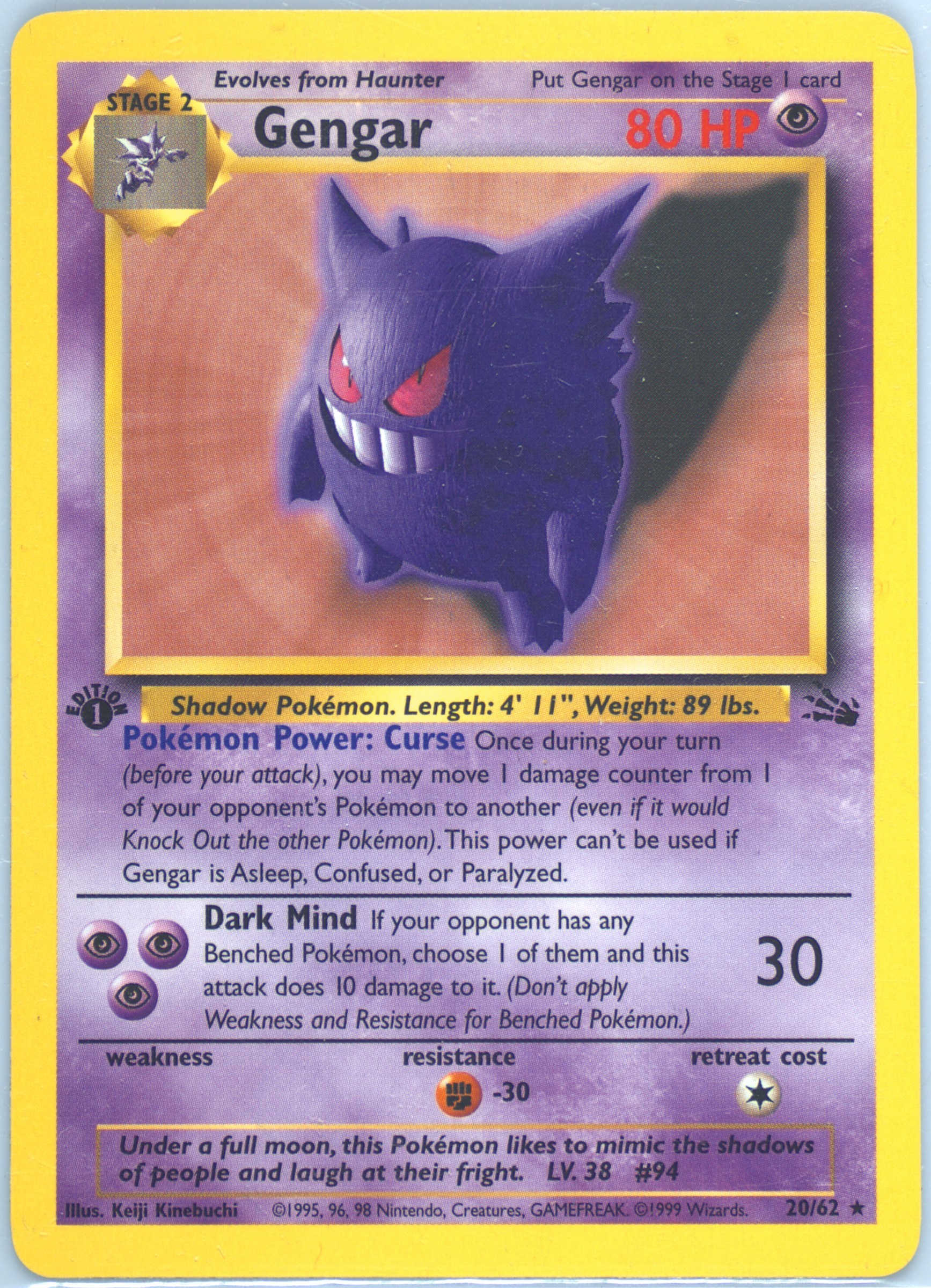
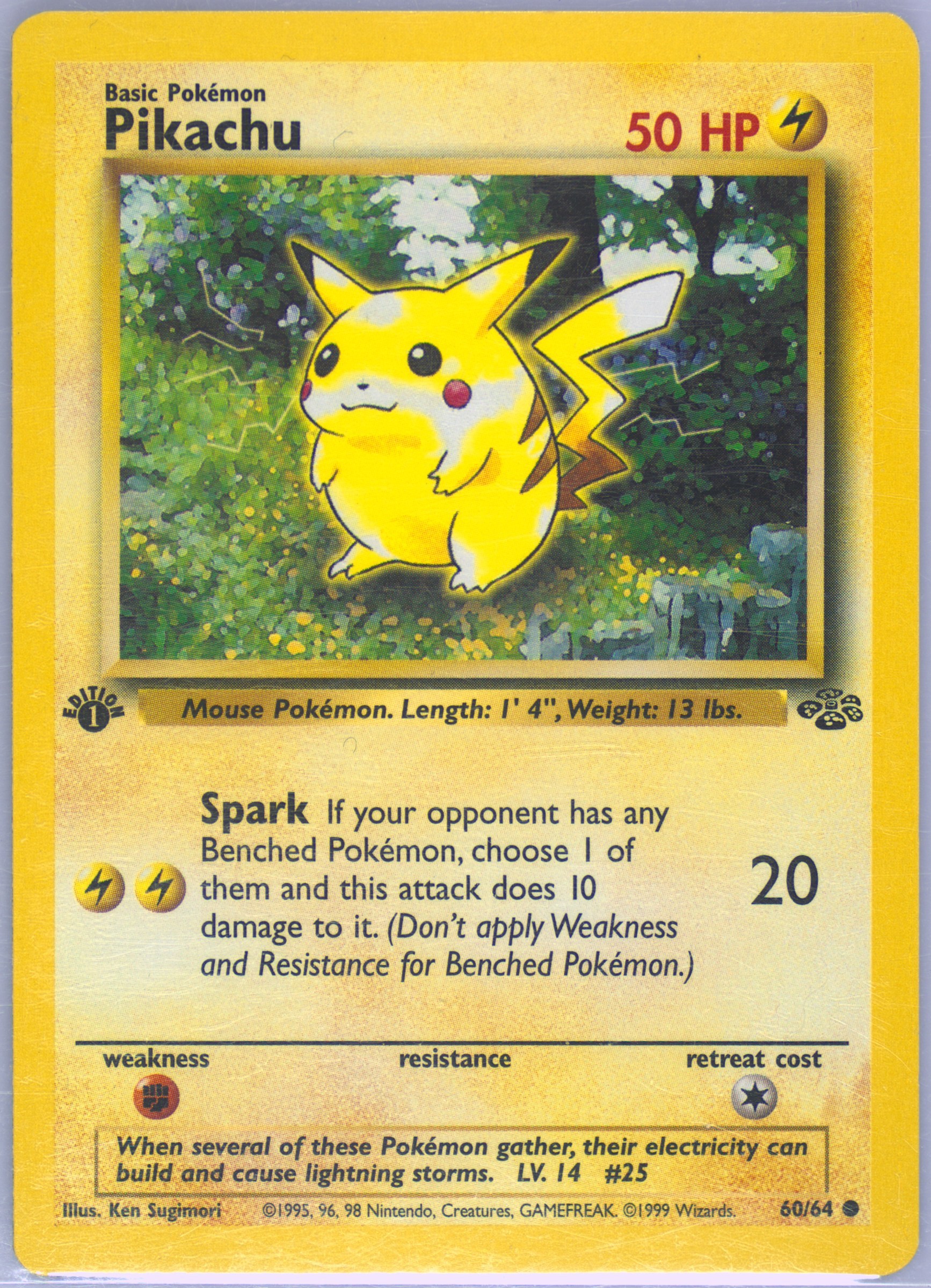
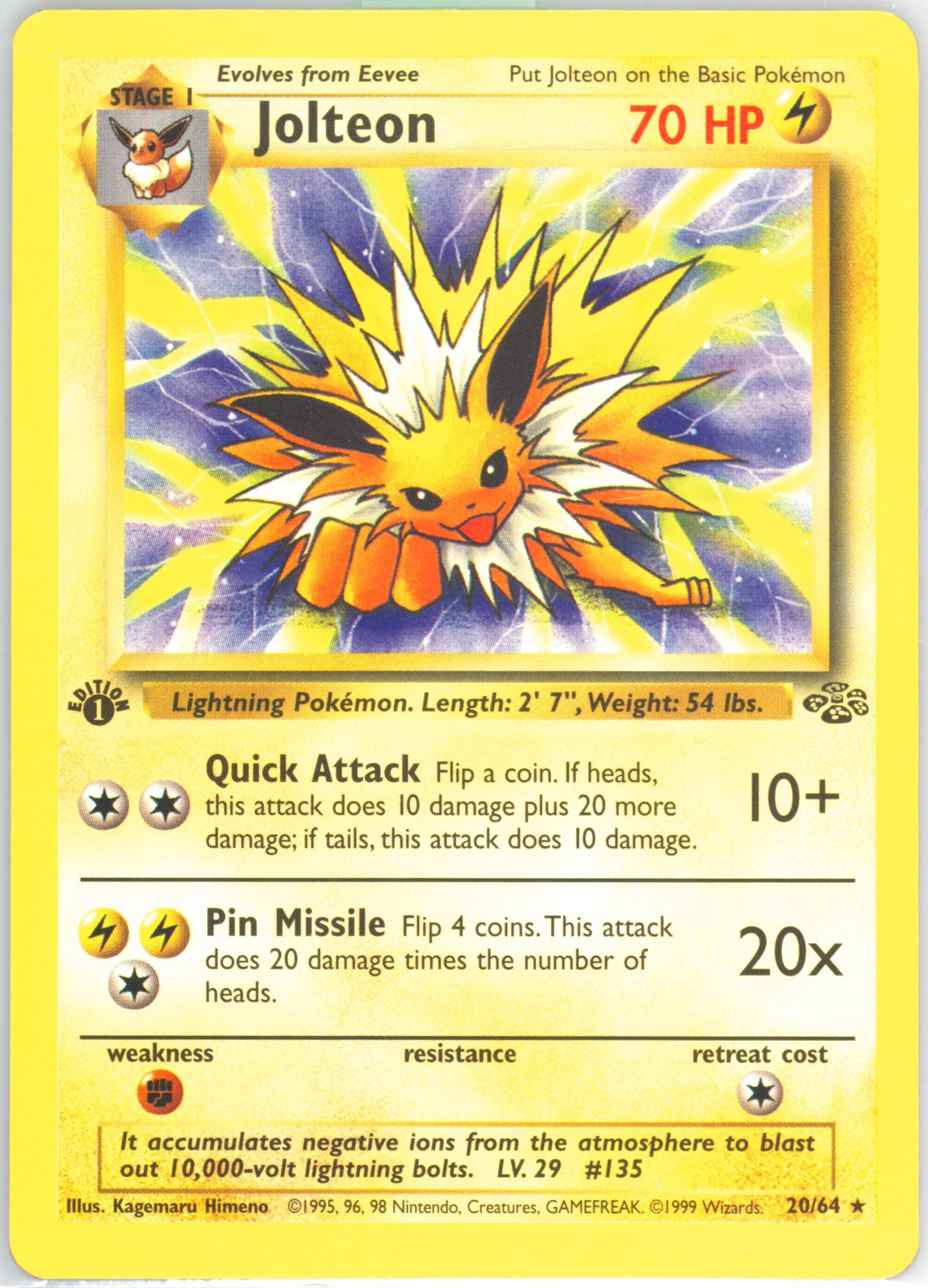
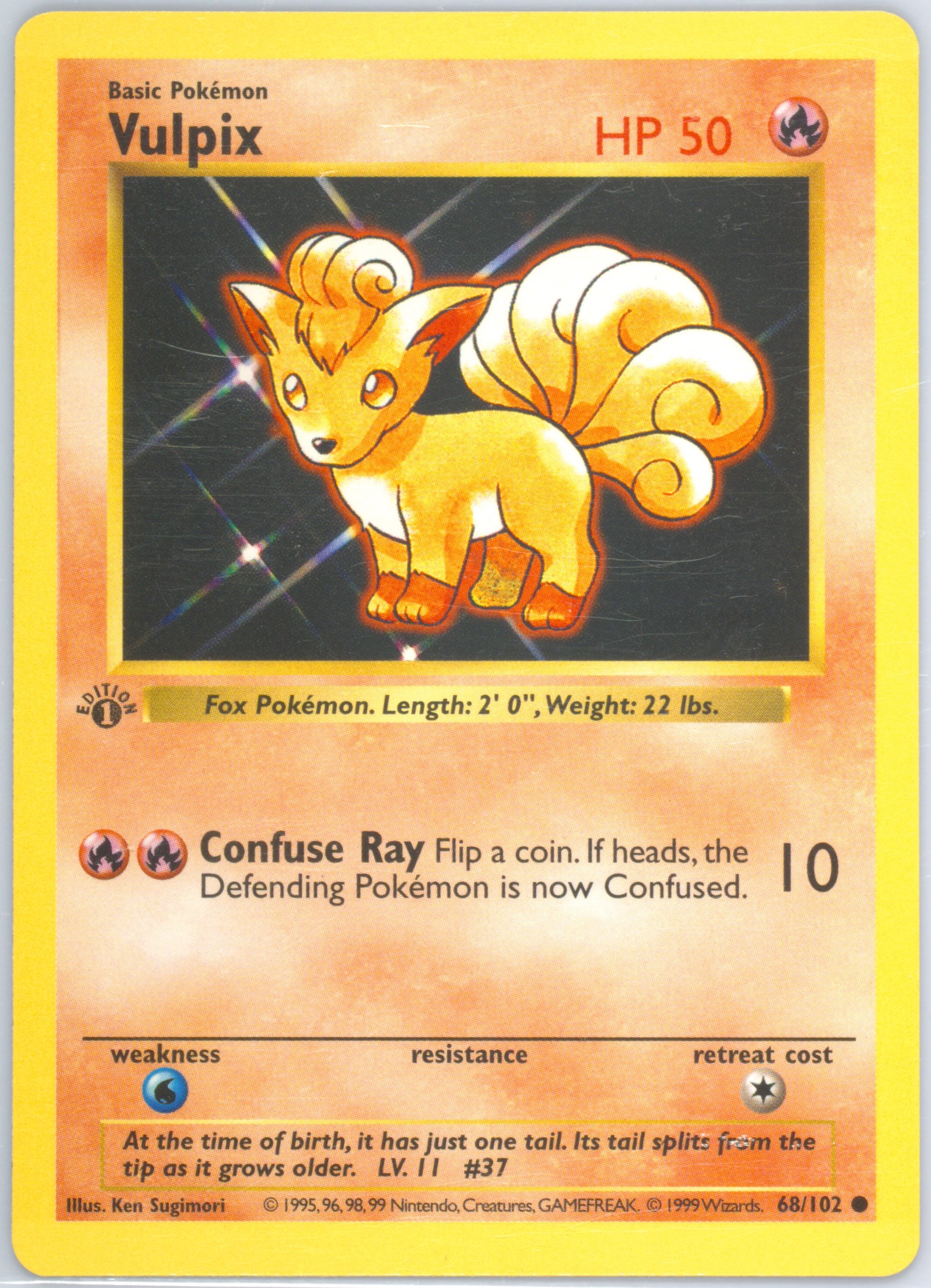
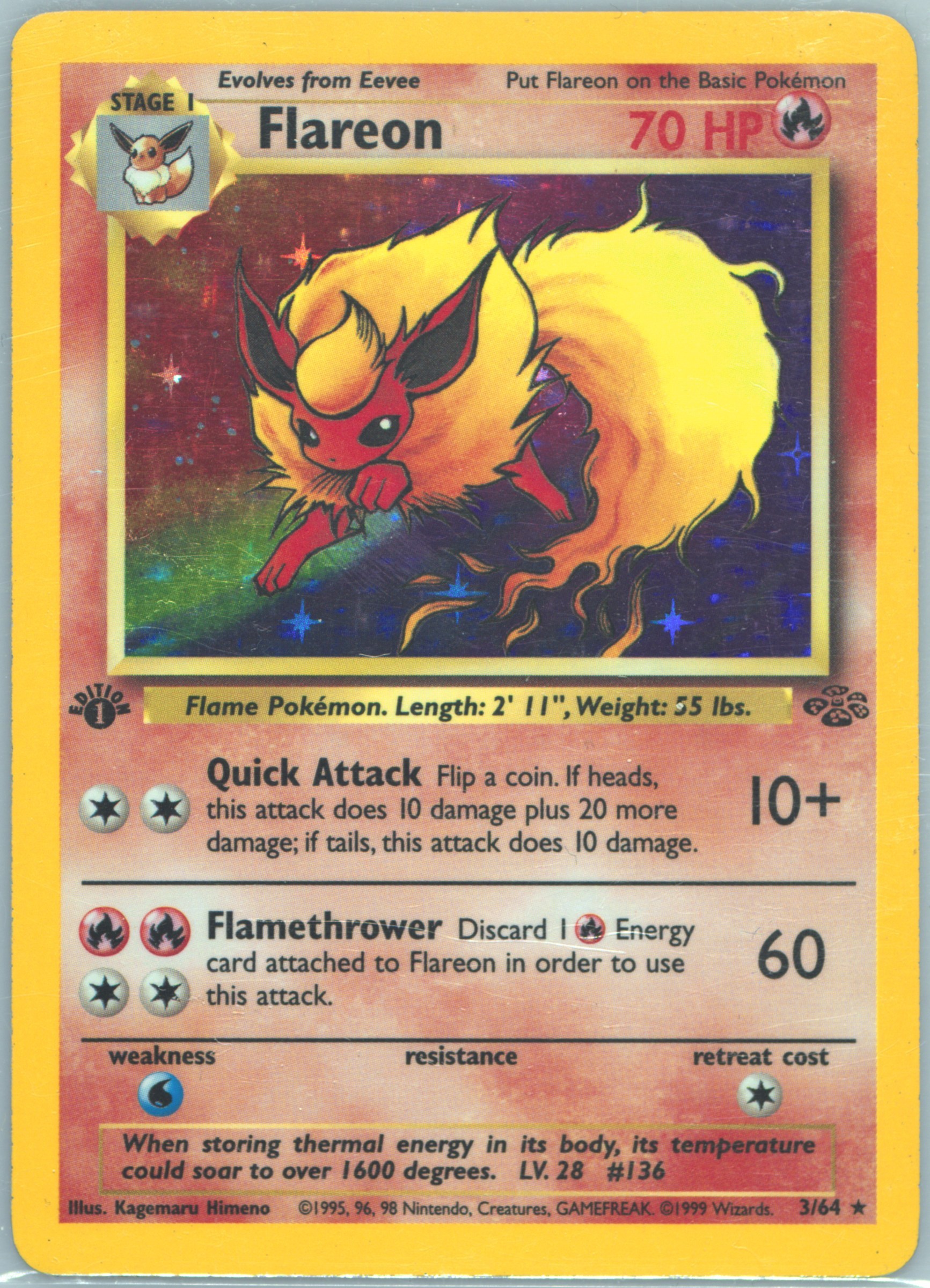
A specific physical version of a card, e.g. "Charizard Base Set 1st Edition Shadowless". Each card has one or more printings, and each printing has its own page, fair values, and population data.
Print run
A group of printings within a set that share one production variant, e.g. 1st Edition Shadowless, Shadowless, or Unlimited. Print runs are the navigable subdivision of a set on TCGBerg; intentional variants are print runs, while misprints and minor varieties are grouped separately as varieties and errors.
Set
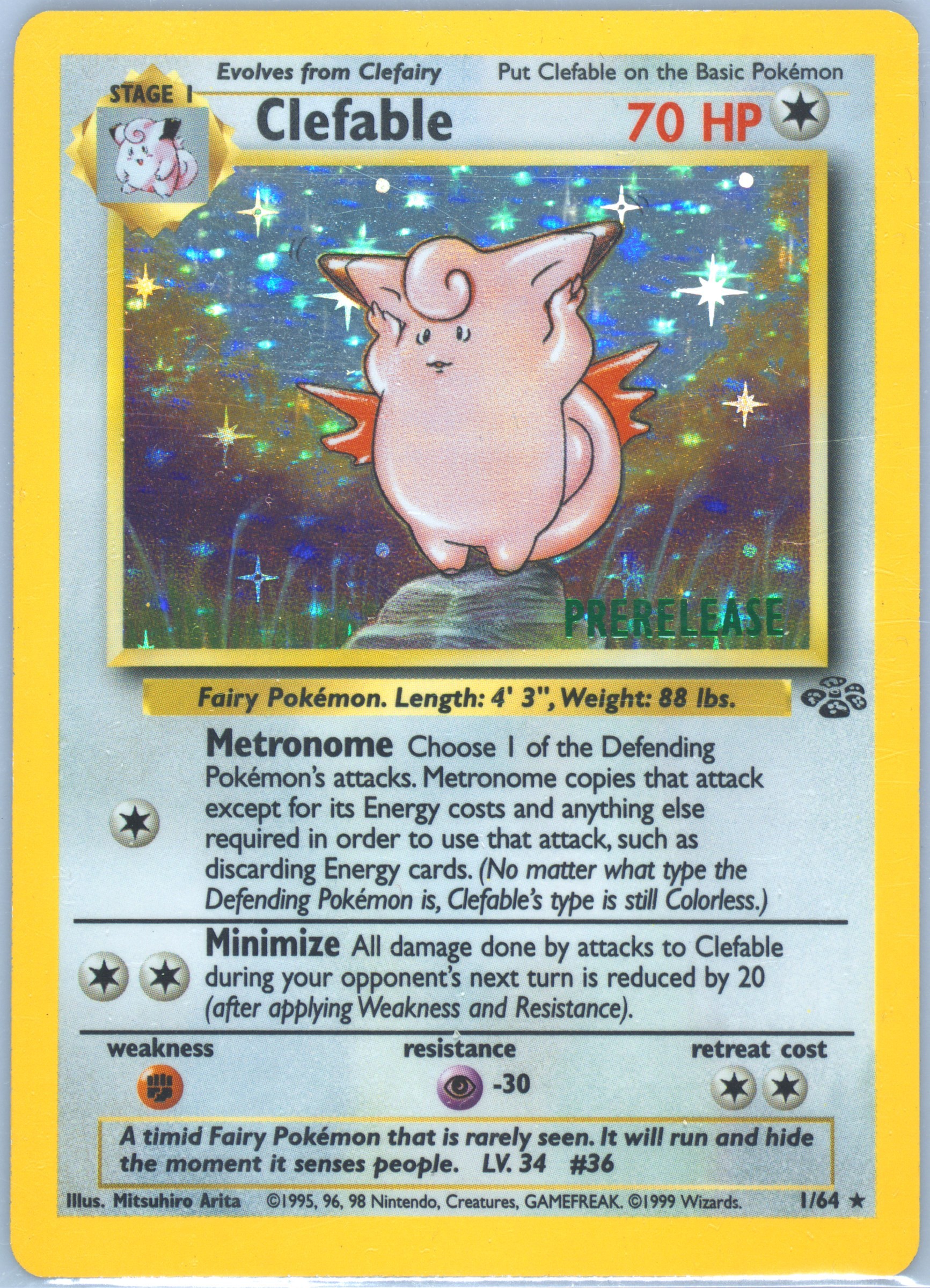
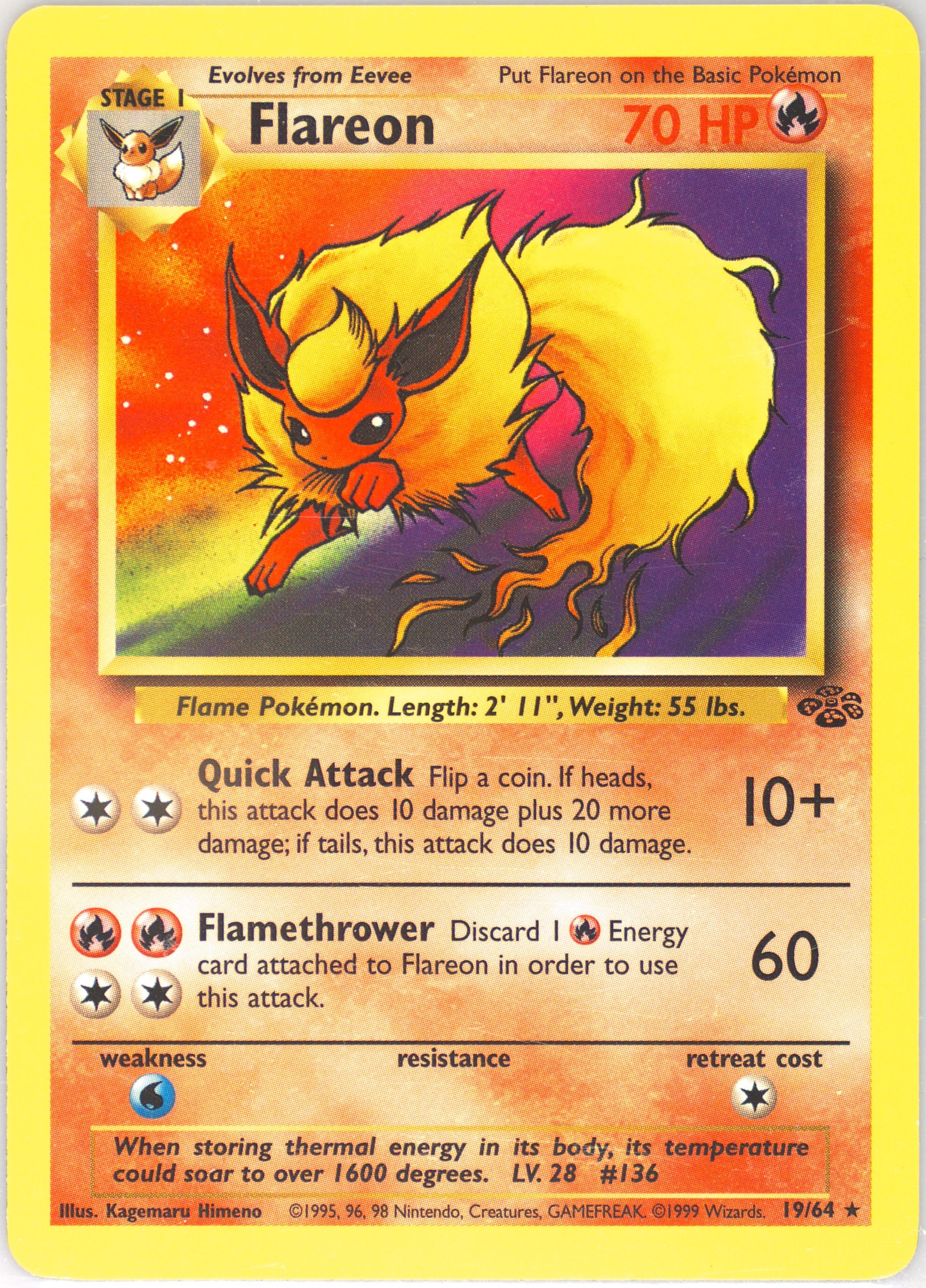
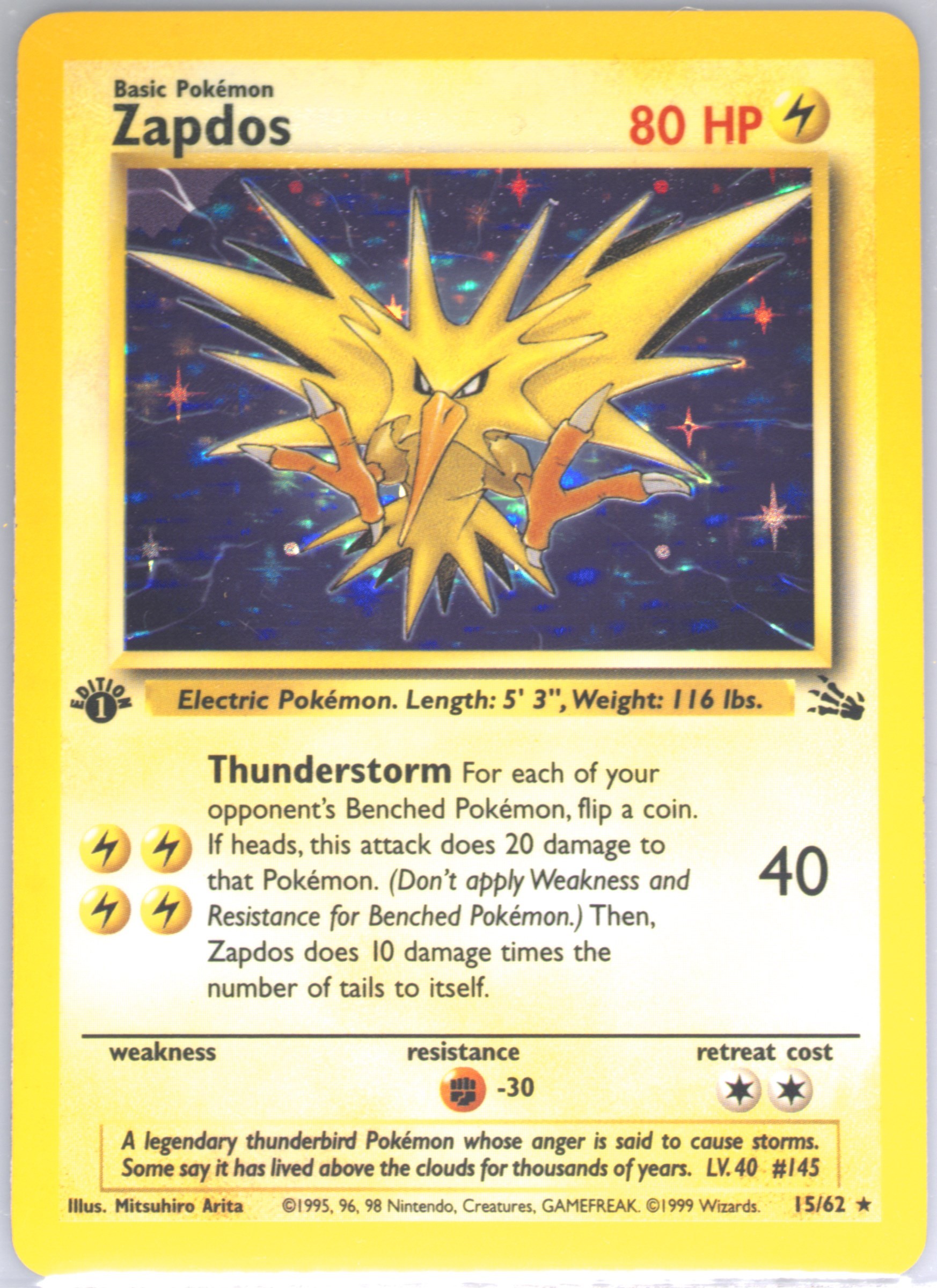
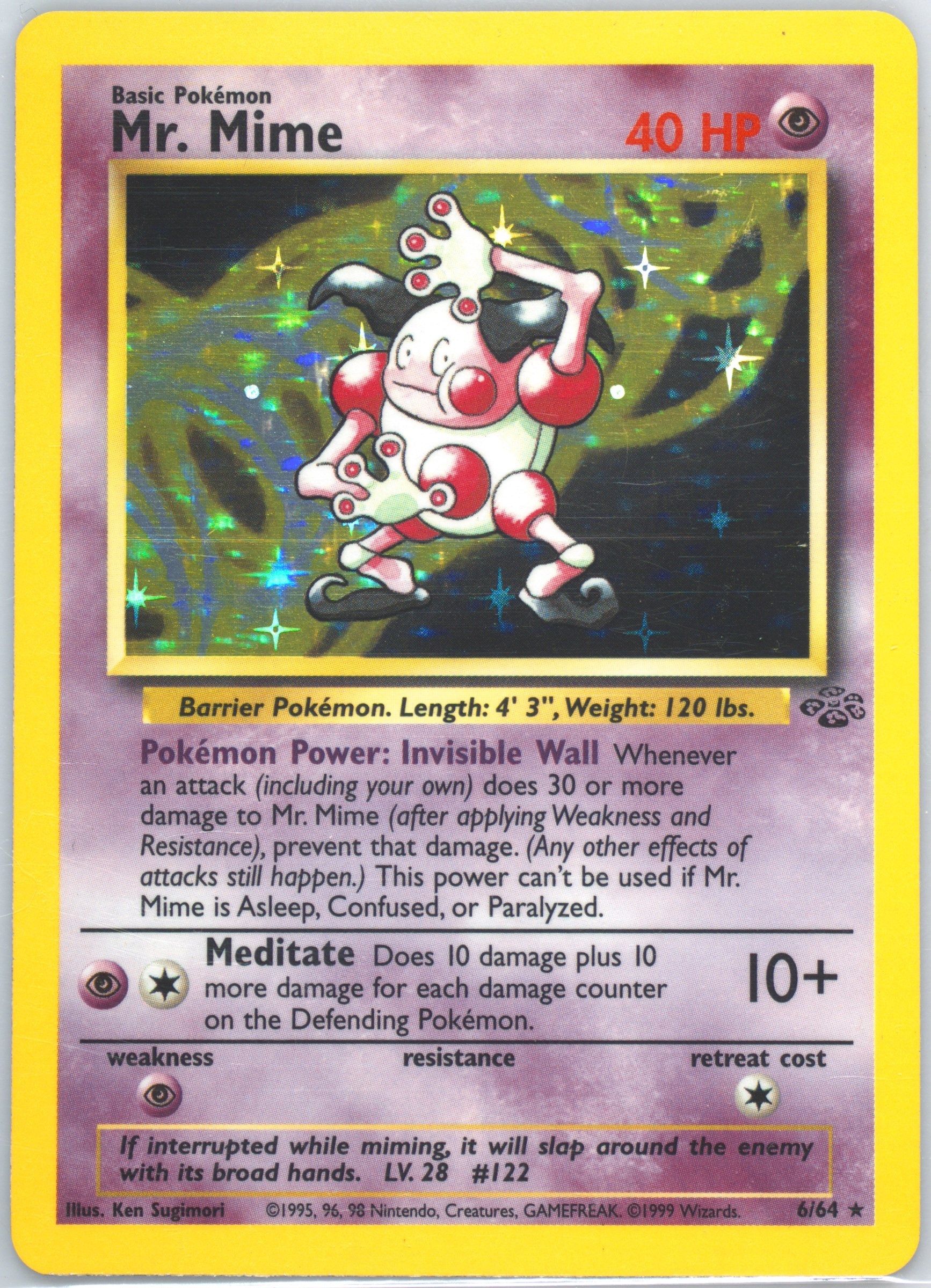
A release of cards, e.g. Pokemon Base Set or Jungle. Set pages aggregate every tracked printing in the release: total market cap, top movers, and the per-card cap matrix.
Grade and grader
A grade is the quality level a professional grading company (the grader, e.g. PSA, BGS, CGC) has assigned to a slabbed card, such as PSA 10 (Gem Mint) or BGS 9.5. Value differs enormously between grades of the same printing, which is why TCGBerg prices each grade separately.
Graded population
How many copies of a printing a grading company has slabbed at a given grade, as reported by the grader. A low population at a high grade is the core scarcity signal in graded-card pricing.
Raw (ungraded)
A card that has not been professionally graded. TCGBerg shows a raw market price per condition (e.g. Near Mint) sourced from ungraded sales aggregators; it is a market price, not a modelled fair value.
Market cap
Fair value multiplied by graded population, per atom: the total dollar value of all slabbed copies at that grade. Set and segment market caps are the sum of their atoms, so a cap can rise from prices going up, populations growing, or both.
Index
A cap-weighted measure of how a segment of the market is moving, like a stock index for trading cards. TCGBerg publishes indices per set, per grade, and per print run, each computed daily from its constituents’ market caps.
Index divisor
The scaling factor that keeps an index level comparable through composition changes. When constituents are added or removed at a rebalance, the divisor is adjusted so the level does not jump, exactly as equity indices like the S&P 500 handle membership changes.
Rebalance
A scheduled event where an index’s constituent list is refreshed: newly tracked atoms join, delisted ones leave, and the divisor is adjusted so the index level stays continuous. Each index page lists its recent rebalances.
As-of date
The date a metric was computed for. Every fair value, market cap, and index level is a daily time series of as-of dates, which is what makes price history charts possible.
Deal
A live marketplace listing priced meaningfully below the matching atom’s TCGBerg fair value, after passing a verification cascade (correct card, correct grade, correct grader, plausible listing). Deal links are affiliate links, marked sponsored.